Warm Woods and Clear Lines for Office TI
Milwaukee offices are moving toward warm materials and simple geometry that support calm focus and easy collaboration. If you are planning a tenant improvement or a full interior refresh, this guide outlines practical palette choices that feel current, professional, and welcoming in the Midwest. The ideas below balance comfort, clarity, and durability so your space looks coordinated and works well for teams and visitors.
Why palettes matter in Office TI
A finish palette is more than colors on a board. It shapes first impressions, sets the mood for daily work, and signals brand values. The right mix of wood tone, paint, texture, and light helps people concentrate, navigate the floorplate, and feel at ease with clients. In Milwaukee, a palette that blends natural materials with clean detailing fits both historic brick and timber structures and newer steel and glass buildings.
The core look
Warm woods and clear lines
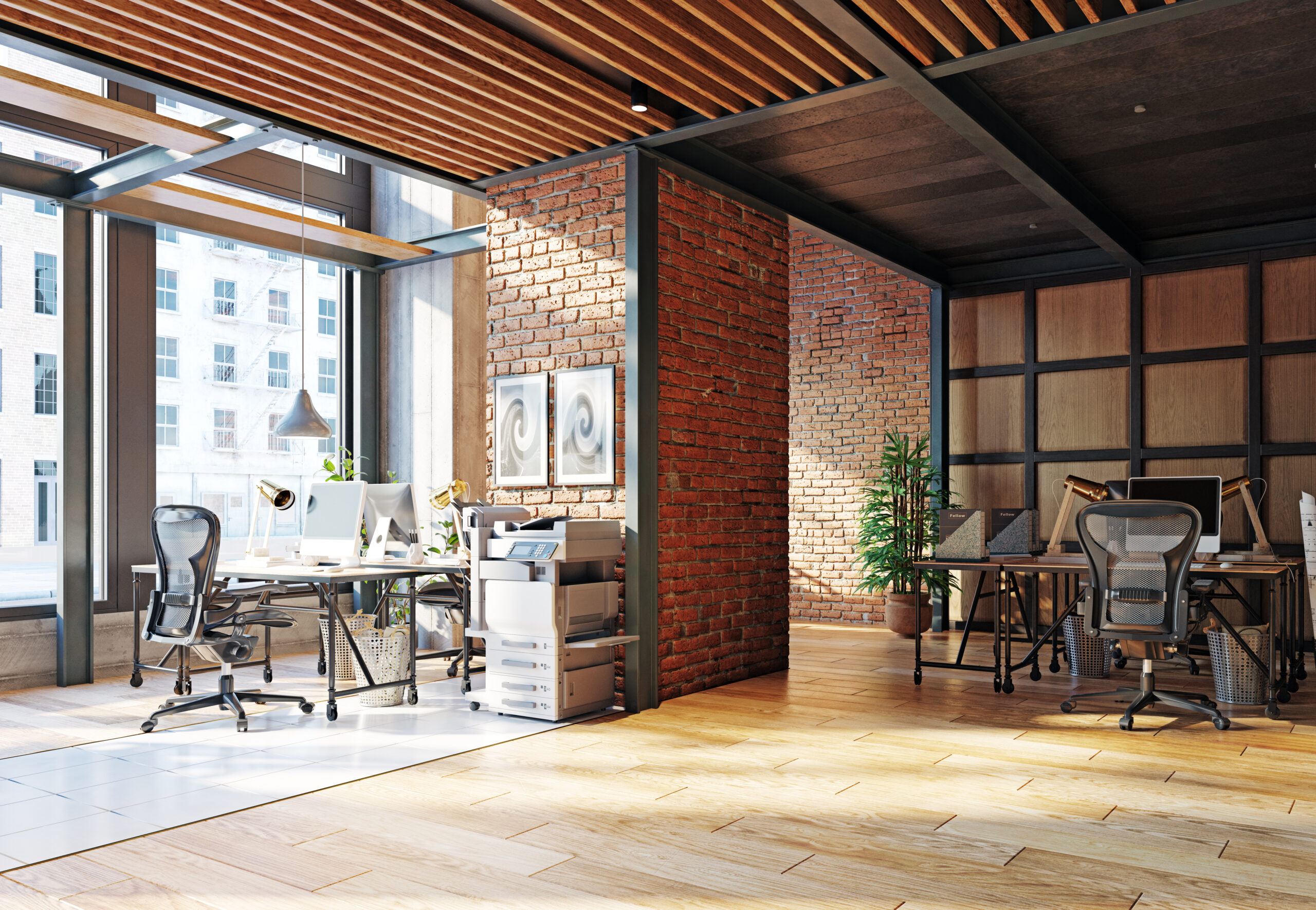
Warm wood introduces a familiar touch that offsets the coolness of glass and concrete. Think white oak, ash, maple, or walnut in matte or low sheen finishes. Clear lines means disciplined edges, uncluttered sight lines, and layouts that feel intuitive. Together these choices create a calm modern language that does not feel cold. The approach adapts well to small suites and large headquarters and can scale from reception to conference to open work areas.
Color families that work
Begin with a base that reflects light without glare. Creamy whites on major walls keep rooms bright in Milwaukee winters. Layer soft grays and taupes for depth. Use a small set of accents for brand character such as forest green, clay, or deep blue. Hardware in smoked bronze or matte black adds definition without visual noise. The result is a palette that is easy to maintain and easy to expand as spaces grow.
Wood species and finish choices
Pick species that are stable and widely available. White oak and ash are reliable options with even grain and consistent tone. For reception desks and tables use a clear matte topcoat that resists fingerprints and cleans easily. For wall slats and feature elements consider natural oil or low VOC waterborne finishes that preserve texture. Vary the scale of wood elements so the space does not feel heavy. A few vertical slat fields, a single feature stair guard, and targeted millwork panels are often enough.
Stone, concrete, and solid surface
Stone and concrete bring weight and longevity to high touch zones. In conference and cafe areas, honed quartz, terrazzo look surfaces, or sealed concrete pair well with warm wood. Use softer fabrics and plants nearby to balance the feel. Limit strong veining to a single focal point so the space does not feel busy.
Textiles and wall treatments
Textiles influence both comfort and acoustics. Choose wool blends or performance poly with a visible weave that hides wear. For acoustic control, consider fabric wrapped panels, felt baffles, or wood slat systems backed with felt. On focus room feature walls, grasscloth or textured paint adds warmth and breaks up sound reflections without heavy color.
Lighting that supports clear lines
Light should be even, comfortable, and layered. Indirect light along ceilings or coves reduces glare and highlights architecture. Linear pendants with the right optics keep work surfaces readable. Accent light can wash wood panels or brand elements without creating hotspots. In winter conditions near the lake, circadian friendly strategies help occupants feel alert through short days. Plan for simple controls that are intuitive for staff.
A simple lighting stack
• Ambient light for overall brightness and safety
• Task light at desks, benches, and meeting tables
• Accent light for wood texture, art, and signage
• Daylight management with solar shades where glare is strong
Acoustics and wellbeing
Open plans benefit from quiet zones and clear sound control. Combine perforated wood ceilings in strategic locations, felt baffles, carpet tile with cushion backing, and fabric panels sized for speech frequencies. Plants, area rugs, and upholstered furniture absorb sound and make settings more comfortable. Wellness features can sit inside the palette without looking clinical. Low VOC paints and adhesives, wood from certified sources, and filtered water stations contribute to an environment that supports people day to day.
Ten ideas you can apply now
• Wood slat entry walls with integrated signage that communicate brand presence and improve acoustics
• White oak reception desks with waterfall sides and discreet toe kicks that provide soft glow at the floor
• Clear lined glass fronts for meeting rooms with translucent film patterns for privacy
• Neutral workstation neighborhoods with personal acoustic screens and clean cable management
• Library lounge with bookcases, wool upholstery, and shaded lamps for quiet focus
• Huddle rooms with sound absorbing ceilings, camera friendly backdrops, and flexible furniture
• Maker or project zones with sealed plywood worktops, utility sinks, and resilient flooring
• Cafe areas that borrow from local coffee shop cues and incorporate plant displays
• Circulation paths defined by area rugs or floor inlay patterns that guide movement without walls
• Internal stairs or portals framed in wood and steel that create a strong first impression
Milwaukee context
Climate and daylight
Short winter days and cloud cover call for high reflectance surfaces and careful light placement. Use light toned walls and ceilings to amplify daylight. Add wood accents and warm textiles to keep rooms from feeling stark. On south and west exposures, plan for solar control to manage summer glare. In older buildings with deep floorplates, reflective surfaces and glass fronts help move daylight inward.
Historic buildings and industrial stock
Many Milwaukee offices occupy brick and timber shells or former factories. Warm wood and clear lines harmonize with visible structure and masonry. If you are re demising a floor, consider demountable glass partitions to keep daylight moving while meeting occupancy and egress needs. White box preparation and conversions benefit from a consistent palette that ties old and new parts of the building together.
Code and coordination
Office TI work touches accessibility, energy performance, fire protection, and local building review. Plan for adjustments to sprinklers, alarms, mechanical systems, and lighting controls. Early coordination with design partners and the authority having jurisdiction simplifies reviews and reduces changes in the field. Clear documentation helps the whole team stay aligned.
Hybrid work and technology
Hybrid patterns require rooms that handle video, in person collaboration, and heads down focus. Use neutral backdrops with subtle texture so people look good on camera. Place fixtures to avoid shadows on faces. Run power and data in ways that can grow with the team. Plan equipment shelves, racks, and ventilation so technology blends into the architecture rather than dominating it.
Sustainability that feels natural
Sustainable selections can be practical and attractive. Low VOC coatings, recycled content carpet, and certified wood products are widely available. Efficient lighting reduces energy use while improving comfort. Daylight planning, good acoustics, and plants all contribute to a healthy interior. If a certification path is a goal, align the palette with the relevant framework at the start. If not, select healthier materials and simple strategies that deliver clear benefits.
A simple path from concept to construction
A clear process keeps a project organized and reduces stress for the team.
-
Define culture, work modes, and brand cues and gather inspiration images
-
Test fit the program to confirm workstation counts, meeting rooms, and support spaces
-
Approve a palette with two or three wood tones, three or four neutral paints, and one or two accent colors
-
Confirm that mechanical, electrical, fire protection, and structure can support the plan
-
Prepare documents for permitting and coordinate reviews with local officials
-
Plan how work areas will be sequenced so daily operations stay on track
-
Communicate clearly with staff about routes, quiet zones, and safety expectations
-
Prepare closeout materials so occupants understand systems and maintenance
How Limitless Property Works supports office interiors
Limitless Property Works is a commercial general contractor based near Milwaukee and serving Wisconsin and Northern Illinois. The team focuses on renovations and tenant improvements across office, retail, hospitality, industrial, and multifamily common areas. Services include preconstruction planning, coordination with design partners, management of trades in the field, and organized closeout. The group also assists with utility incentive applications where appropriate and provides owners representative support for multi site programs.
Bringing the palette together
Milwaukee offices benefit from warm wood, clear lines, and thoughtful layers of light and texture. The result is a professional environment that welcomes clients, supports hybrid work, and stays relevant as teams grow. When you want to explore finishes and layouts that fit your brand, a coordinated palette provides the foundation for a space that looks good, performs well, and serves people every day.